
+1 (607) 281-5665

Case Studies

Three stories. Names changed, numbers honest.

We don't print client names without explicit permission, but the situations, the timelines, and the dollar figures here are real. If you'd like a reference call from any of these accounts, ask and we'll arrange it.

Specialty grocer · Allegany County, NY

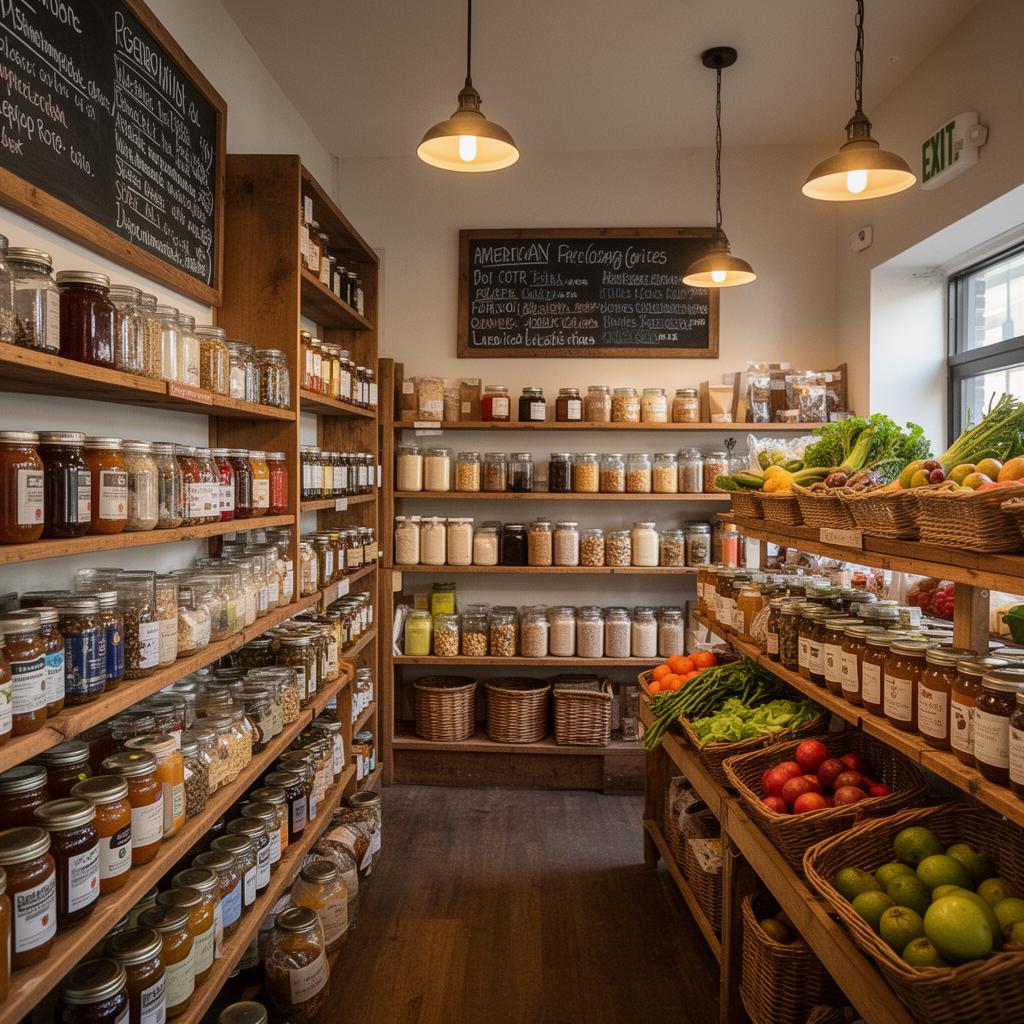
Filling a 28-foot preserves wall after the prior wholesaler folded.

The problem

An eight-year-old specialty grocer in southern New York lost their main preserves distributor in late 2024. The supplier closed with three weeks' notice, leaving a 28-linear-foot wall about to go bare heading into the holiday shopping window. The owner had cycled through two online supplier-matching services and gotten quotes from contract packers in the Midwest with case-pack minimums of 144 jars per SKU — workable for a chain, impossible for one independent store.

What we did

We took the brief on a Thursday afternoon. By the following Wednesday we had a written brief in front of the owner with five preserve-makers from within a three-hour drive: two in the Finger Lakes, one in the Catskills, one outside Cooperstown, and a fifth in northern Pennsylvania. All five could ship case packs of 24 or 36, all five had standing wholesale terms, and three could ship within ten days. We coordinated samples, arranged reference calls with two existing accounts for each, and sat on the first PO call to confirm freight class on the glass.

What shipped

The wall was full nine days before Thanksgiving. The grocer placed first orders with three of the five makers, totaling about $4,800 across 14 SKUs. By the end of Q1 2025 they had standardized on two of those three as their primary preserves supply, and the third stayed in rotation for seasonal flavors. The wall is now generating about 11% more revenue per linear foot than under the prior wholesaler, mostly because the regional sourcing story sells well.
Garden center · Steuben County, NY

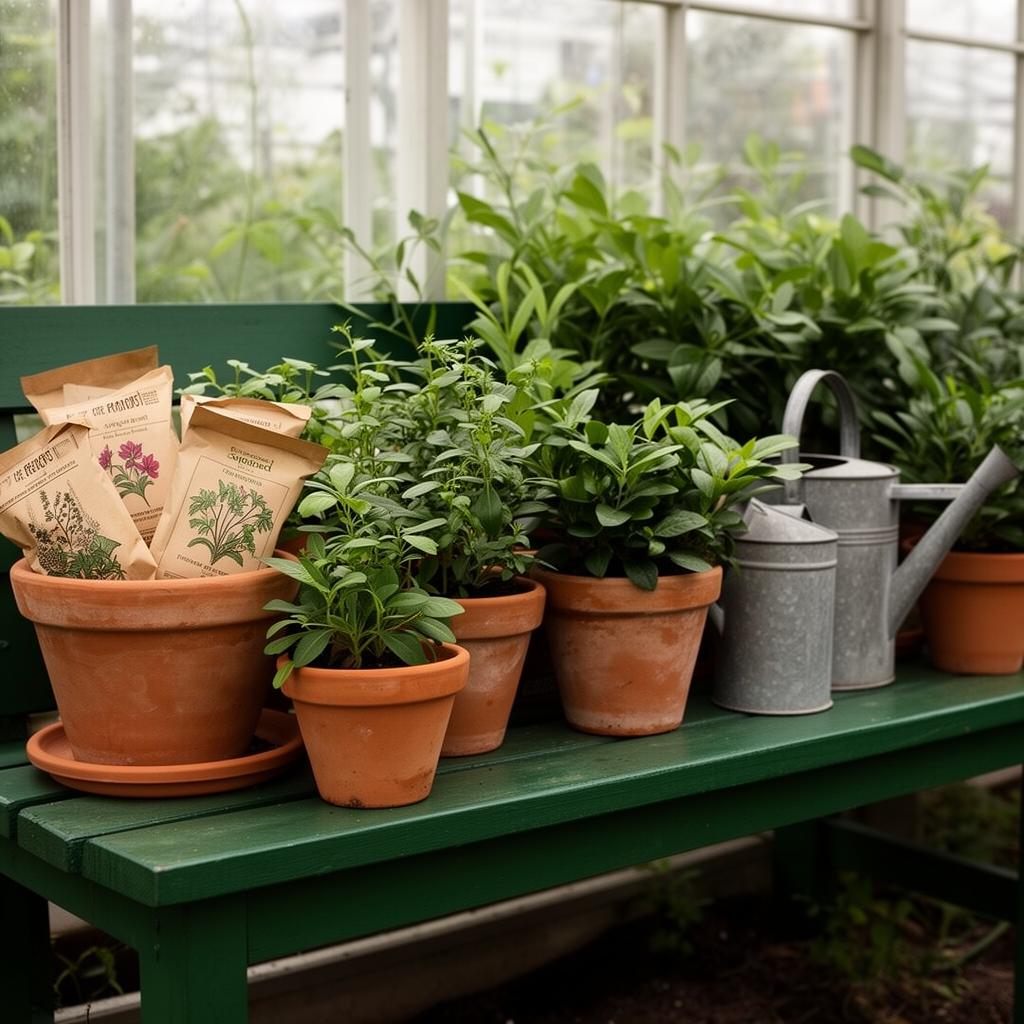
Replacing imported terra-cotta with an American workshop — at retail price.

The problem

A three-generation garden center on the edge of the Finger Lakes wanted to phase out its imported terra-cotta line. Margins on the imported pots had compressed over two years; freight surcharges had eaten through their cushion; and the owner wanted a story to tell customers who were increasingly asking 'where is this made?' The challenge: replacement pottery that could land at the same shelf price, in the same six size SKUs, with a 6–8 week lead time.

What we did

We knew of a hand-thrown pottery workshop in central Pennsylvania that had been doing wholesale to nurseries for about a decade. We arranged a sample order in five of the six SKUs, walked through the case-pack math with the owner, and helped negotiate net-45 terms on the first three POs to give the garden center cash-flow room while they transitioned over. We also helped consolidate the freight onto a single weekly LTL run that the workshop was already doing into the Southern Tier — which dropped the per-pot freight cost by enough to absorb a modest unit-price increase.

What shipped

Six of six SKUs converted within one season. Shelf price held within $0.50 on every size. The garden center now markets the line as 'thrown in PA, kept in NY' on a small chalkboard above the display. Repeat orders ran at $11,000 across the first calendar year, and the owner reports that 'made in America' has become a top-three reason customers cite for buying the pots.

Maker · ceramics, Finger Lakes

Getting a one-person studio into three retailers without burning out.

The problem

A ceramicist outside Trumansburg, NY had been selling at farmers' markets and through her own online shop for four years. She wanted to expand into wholesale but had been turned down by two boutique buyers who said her line sheet 'looked like a homework assignment' — and a third had stopped responding after asking for case-pack pricing she didn't have ready.

What we did

We worked on three things in parallel. First, we rebuilt the line sheet — clean spec rows, wholesale and MSRP columns, case-pack standardized at 6, photography brief sent to a regional product photographer she could afford. Second, we walked her line into three boutiques in our buyer rotation: one in Ithaca, one in Geneva, one in Penn Yan. Third, we coached her through the first three buyer conversations so she didn't undersell her terms.

What shipped

All three boutiques placed first orders within six weeks of intro. Total first-order volume was about $2,900, modest but meaningful for a single-potter studio. Two of the three have reordered twice; the third dropped after one cycle, which the ceramicist said felt fair. She's now self-sufficient on wholesale outreach and has added two more accounts on her own without us.

Could your shelf use this kind of work?

Tell us about your store →